
Photorealistic Renders for Smarter Projects
In today’s competitive market, showing your ideas with precision and impact makes all the difference. Photorealistic renders turn concepts into compelling visuals that help you communicate better, sell faster, and bring every detail to life—before construction even begins.
Sell Smarter
Impress clients and investors with visuals that speak louder than words.
Visualize with Clarity
See your project take shape from the very beginning. With clear annotations and structured planning, our 3D visualization helps you understand each phase—making confident decisions, every step of the way.
Faster Decisions
Reduce doubts and speed up approvals with realistic previews.
Build Trust and Excitement
Help clients connect emotionally with the project before it’s built.
Photorealistic Renders for Smarter Projects
In today’s competitive market, showing your ideas with precision and impact makes all the difference. Photorealistic renders turn concepts into compelling visuals that help you communicate better, sell faster, and bring every detail to life—before construction even begins.
Sell Smarter
Impress clients and investors with visuals that speak louder than words.
Visualize with Clarity
See your project take shape from the very beginning. With clear annotations and structured planning, our 3D visualization helps you understand each phase—making confident decisions, every step of the way.
Faster Decisions
Reduce doubts and speed up approvals with realistic previews.
Build Trust and Excitement
Help clients connect emotionally with the project before it’s built.
WORKFLOW
Welcome to Saudade Design Studio, the 3D architectural visualization service that brings your ideas to life through stunning visuals.
In architecture, a picture is worth a thousand words. That’s why we offer personalized 3D visualization solutions to elevate your projects to the next level. Our process is simple, efficient, and highly detailed, aimed at capturing the essence of each space, structure, and design concept so you can make informed decisions.
Project Analysis
The foundation of every successful visualization begins with understanding the core of the project. We start by having in-depth discussions with you to comprehend your design concept, objectives, and any specific requirements. Whether it’s a residential, commercial, or mixed-use space, we work closely with architects, designers, and stakeholders to capture every detail. We make sure to clarify your vision, the intended ambiance, the architectural style, and any particular features that must be highlighted. This step ensures that our approach aligns perfectly with your expectations before we even begin the modeling phase.
Useful Material (Not mandatory)
- Architectural plans in DWG or PDF format
Floor plans, sections, elevations, and rooftop plans. - Project description document
Brief explanation of the concept, materials, intended use, and desired style. - Site and location plans
To contextualize the project within its actual surroundings. - Visual references
Inspirational images, previous renders, or examples of the desired architectural style. - Relevant construction details (if applicable)
Such as railings, lighting, built-in furniture, etc. - Photographs of the actual site (for renovation or context-based projects)
To better integrate the visualization with the real environment. - Client’s technical or format requirements
Image size, resolution, required angles, etc. - Timeline or project deadline
Concept Development
& Reference Gathering
Once the project scope is clear, we move into the conceptual phase. We gather visual references to establish a coherent and compelling aesthetic direction. This may include curated mood boards featuring material palettes, lighting conditions (e.g., golden hour, overcast, interior ambient light), and stylistic inspiration for the final render look.
We also analyze architectural visualization trends and the project’s geographical or cultural context to ensure the visuals resonate with the intended audience. This stage is collaborative—feedback is encouraged early so that our creative direction aligns perfectly with the client’s expectations before any heavy production work begins.

3D Modeling
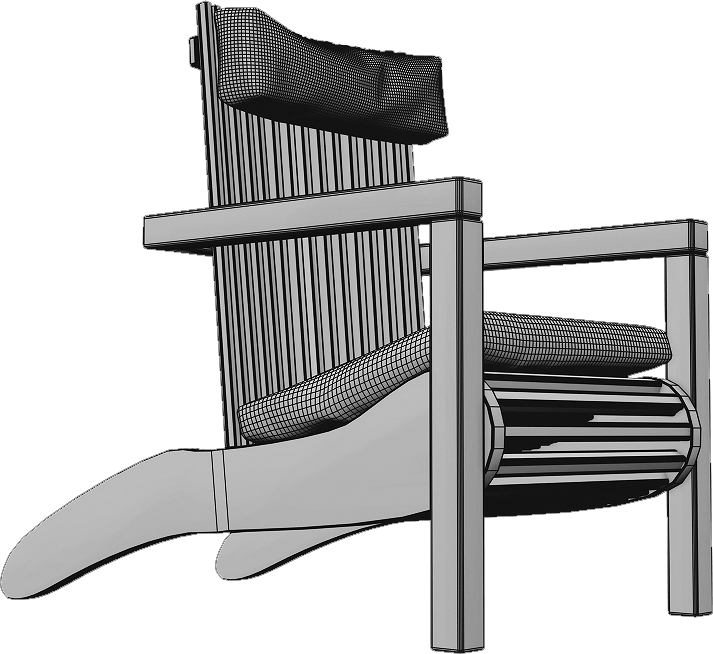
This stage represents the technical core of the project. Using the architectural plans as a guide, we begin constructing a precise 3D model that captures the structural and spatial aspects of the design. This includes modeling the main architectural elements such as walls, floors, ceilings, roofs, windows, and doors, all with careful attention to proportion, alignment, and accuracy. For interior scenes, we expand the model to include furniture, lighting fixtures, built-in elements, and decorative features that help convey the intended atmosphere and functionality of the space. When exterior areas are part of the project, we also model the surrounding terrain, hardscape elements like driveways and pathways, and contextual features such as vegetation or adjacent buildings to provide a realistic environment. The resulting model is built to be clean, organized, and fully editable, serving as a solid foundation for rendering, design reviews, and further development.
Camera Composition
& Draft Views
Once the 3D model is complete, we set up several camera angles based on architectural highlights, storytelling goals, and spatial composition principles. Each view is carefully selected to emphasize key design features and convey the intended atmosphere of the space. We take into account human perspective, appropriate focal lengths, and visual hierarchy to guide the viewer’s eye through the scene in a natural and impactful way. These initial views are rendered in grayscale, clay, or white material mode to eliminate distractions from textures and colors, allowing both the design team and the client to focus purely on composition, geometry, and spatial balance.
We then share these draft views with the client for feedback and discussion. This stage allows for adjustments to framing, camera height, or emphasis before moving into final rendering. Final camera angles are only locked after client approval, ensuring that the selected perspectives fully support the project’s narrative and visual communication goals.
Material
& Lighting Setup
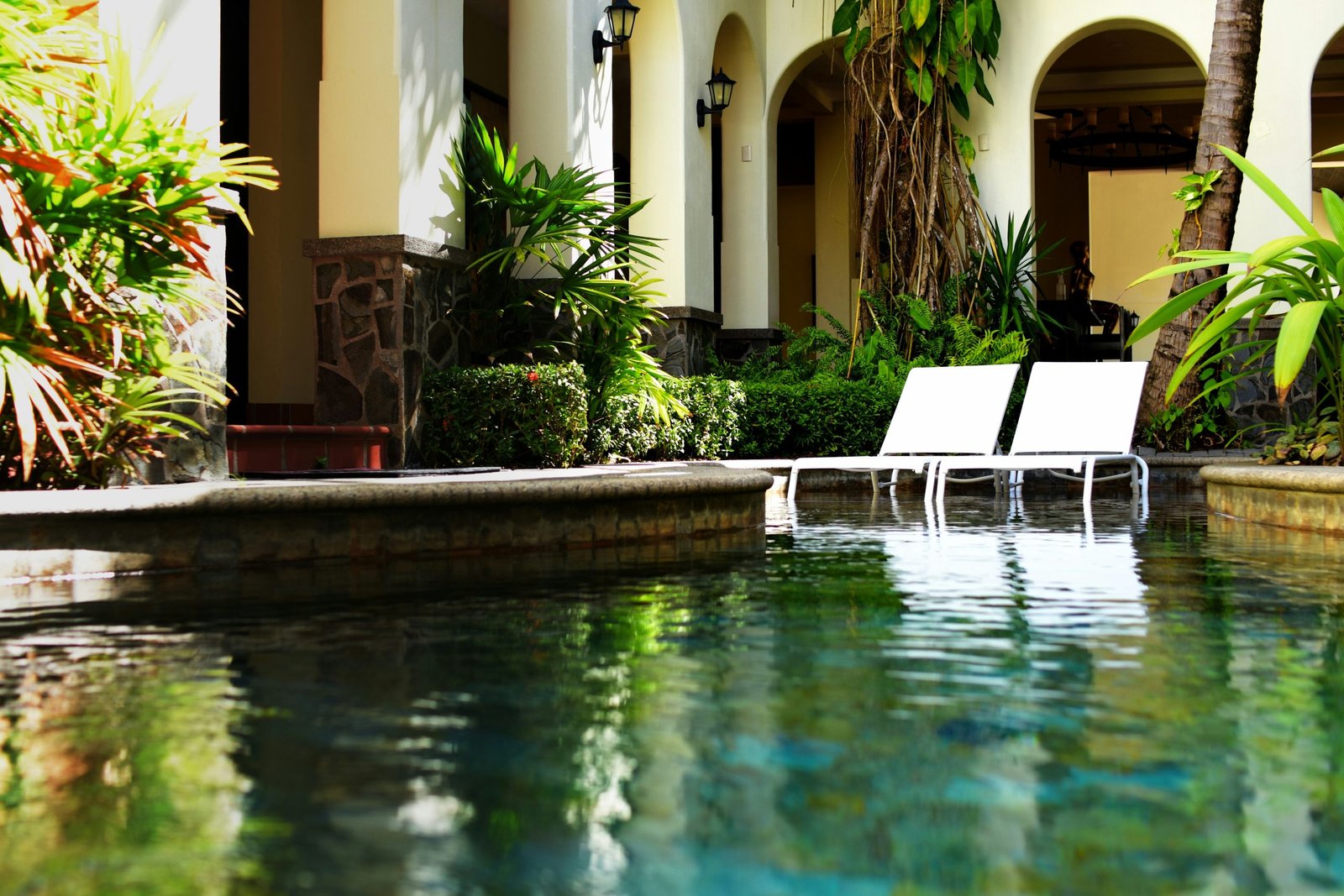
We begin applying materials to the model—concrete, wood, metal, glass, textiles, and more—carefully selected to match the architectural specifications or to achieve the desired aesthetic. Each surface is enhanced using high-quality textures and maps (diffuse, bump, normal, roughness), bringing depth, realism, and tactile quality to the visualization.
Lighting is one of the most critical aspects of the rendering process. We simulate realistic lighting conditions by adjusting parameters such as time of day, sun orientation, and interior illumination sources. But beyond technical accuracy, we treat lighting as a storytelling tool—using it to sculpt the image, define forms, and guide the viewer’s attention. Whether it’s a bright, sunlit terrace or a moody, intimate interior, light and shadow work together to enhance architectural features, create atmosphere, and evoke an emotional response. This careful balance between technical setup and artistic intention allows us to transform the model into a compelling visual narrative.
Rendering
& Post-Production
High-resolution renders are generated using professional rendering engines capable of handling complex geometry, lighting, and material interactions. Depending on the scope and level of detail, we may render in multiple passes—such as lighting, reflections, ambient occlusion, and shadows—which gives us greater control and flexibility during post-production. We also fine-tune rendering settings to strike a balance between image quality and processing time, ensuring efficient workflows without compromising visual fidelity.
Once the raw renders are complete, we move into the post-production phase using advanced editing tools. In this stage, we refine the images by adjusting color balance, enhancing contrast, correcting exposure, and fine-tuning highlights and shadows to improve visual impact. We also integrate contextual elements like skies, people, trees, and background scenery to give the scene a sense of life, scale, and realism. Atmospheric effects such as depth of field, bloom, haze, or subtle lens distortion may be applied to further reinforce the mood and depth of the image. This final stage adds a layer of artistic polish, transforming technically accurate renders into compelling visual narratives that communicate the architectural vision with clarity and emotion.
Final Delivery
Once the visualizations are completed and approved during the post-production phase, we proceed with delivering the final assets in the agreed formats, resolutions, and aspect ratios. Typically, this includes high-resolution static images (JPG, PNG, or TIFF) optimized for a variety of uses—whether for digital platforms such as websites and social media, or for high-quality printing in brochures, posters, or large-format displays.
If you have any questions about the final deliverables or would like to discuss specific formats, resolutions, or usage guidelines, feel free to get in touch through the contact page.
WORKFLOW
Welcome to Saudade Design Studio, the 3D architectural visualization service that brings your ideas to life through stunning visuals.
In architecture, a picture is worth a thousand words. That’s why we offer personalized 3D visualization solutions to elevate your projects to the next level. Our process is simple, efficient, and highly detailed, aimed at capturing the essence of each space, structure, and design concept so you can make informed decisions.
Project Analysis
We begin each visualization with a deep understanding of your project, capturing your vision and goals through detailed conversations. We work closely with architects and designers to ensure that style, details, and atmosphere are accurately reflected before starting the modeling process.
Useful Material (Optional)
- Architectural plans in DWG or PDF format
- Project description document
- Site plans and location
- Visual references
- Relevant construction details
- Photographs of the current site
- Client’s technical or format requirements
- Project deadlines or due dates
Concept Development
& Reference Gathering
With the project scope clearly defined, we move into the concept phase—an essential step where we gather visual references, inspiration boards, and stylistic elements to establish the aesthetic direction of the final render. We carefully explore lighting scenarios, material palettes, and relevant architectural visualization trends, also taking into account the project’s geographic, cultural, or thematic context.
This stage is highly collaborative and open to early feedback, allowing us to refine ideas together and ensure that the creative approach is fully aligned with your vision before moving on to the production phase.
3D Modeling
In this technical phase, we develop a highly detailed 3D model based on the architectural plans, accurately capturing the structure, scale, and spatial layout. We model essential elements—both interior and exterior—including walls, windows, floors, furniture, lighting, terrain, and the surrounding context. Additional details such as textures, finishes, and materials are incorporated to enhance realism.
Every aspect is carefully crafted to ensure accuracy and clarity, closely reflecting the architectural vision. The result is a clean, organized, and fully editable model, ready for rendering, design reviews, and further development. This phase forms the foundation for all subsequent visualizations, ensuring the final result is built on a solid base.
Camera Composition
& Draft Views
Once the 3D model is ready, we define camera angles based on key design highlights, spatial composition, and narrative goals. Each view is selected to emphasize important features and convey the desired atmosphere. Using grayscale or clay-mode renders, we remove distractions to focus on geometry, lighting, and balance.
These initial views are shared for feedback, allowing adjustments to framing and emphasis. Final angles are confirmed only after client approval to ensure they fully support the project’s visual narrative.
Material
& Lighting Setup
We begin by applying materials to the model—concrete, wood, metal, glass, and textiles—chosen to match architectural specifications or achieve the desired aesthetic. High-quality textures and maps add depth and realism.
Next, we set up lighting to simulate real-world conditions, taking into account time of day, sun orientation, and interior light sources. Beyond technical accuracy, lighting becomes a narrative tool—shaping the image, defining forms, and guiding attention. This balance between technical precision and artistic intent transforms the model into a compelling visual narrative.
Rendering
& Post-Production
High-resolution renders are created using professional rendering engines capable of handling complex geometry, lighting, and materials. We can render in multiple passes—lighting, reflections, shadows—to gain greater control during post-production.
The images are then refined by adjusting color balance, exposure, and contrast, while adding contextual elements such as people, trees, and skies to enhance realism. Atmospheric effects like depth of field or fog further elevate the mood. This final polish transforms technically accurate renders into powerful visual narratives.
Final
Delivery
Once the visualizations are complete and approved during the post-production phase, we proceed to deliver the final assets in the agreed formats, resolutions, and aspect ratios. Typically, this includes high-resolution static images (JPG, PNG, or TIFF) optimized for a variety of uses, whether for digital platforms such as websites and social media, or for high-quality printing in brochures, posters, or large-format displays.
If you have any questions about the final deliverables or would like to discuss specific formats, resolutions, or usage guidelines, feel free to get in touch through the contact page.
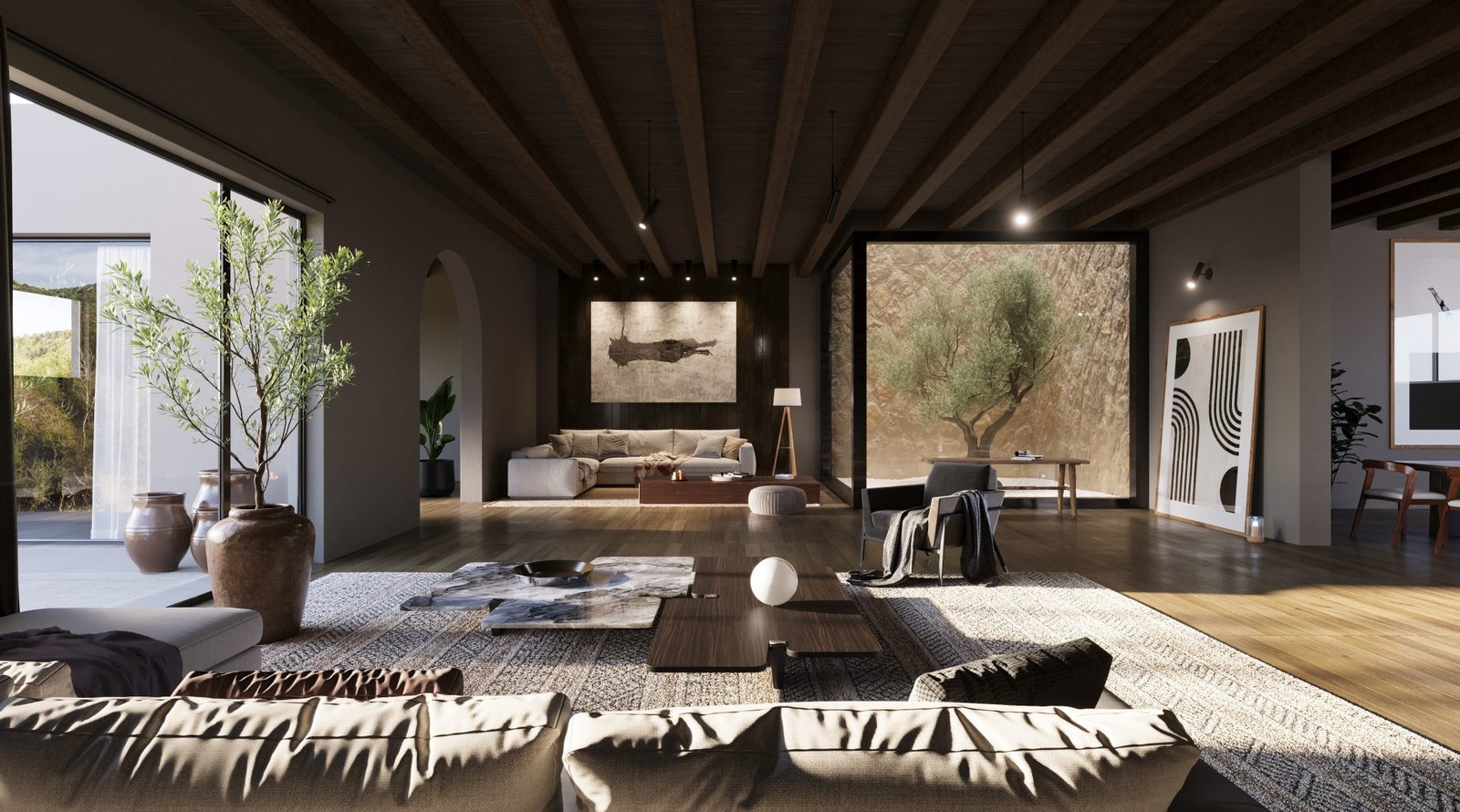
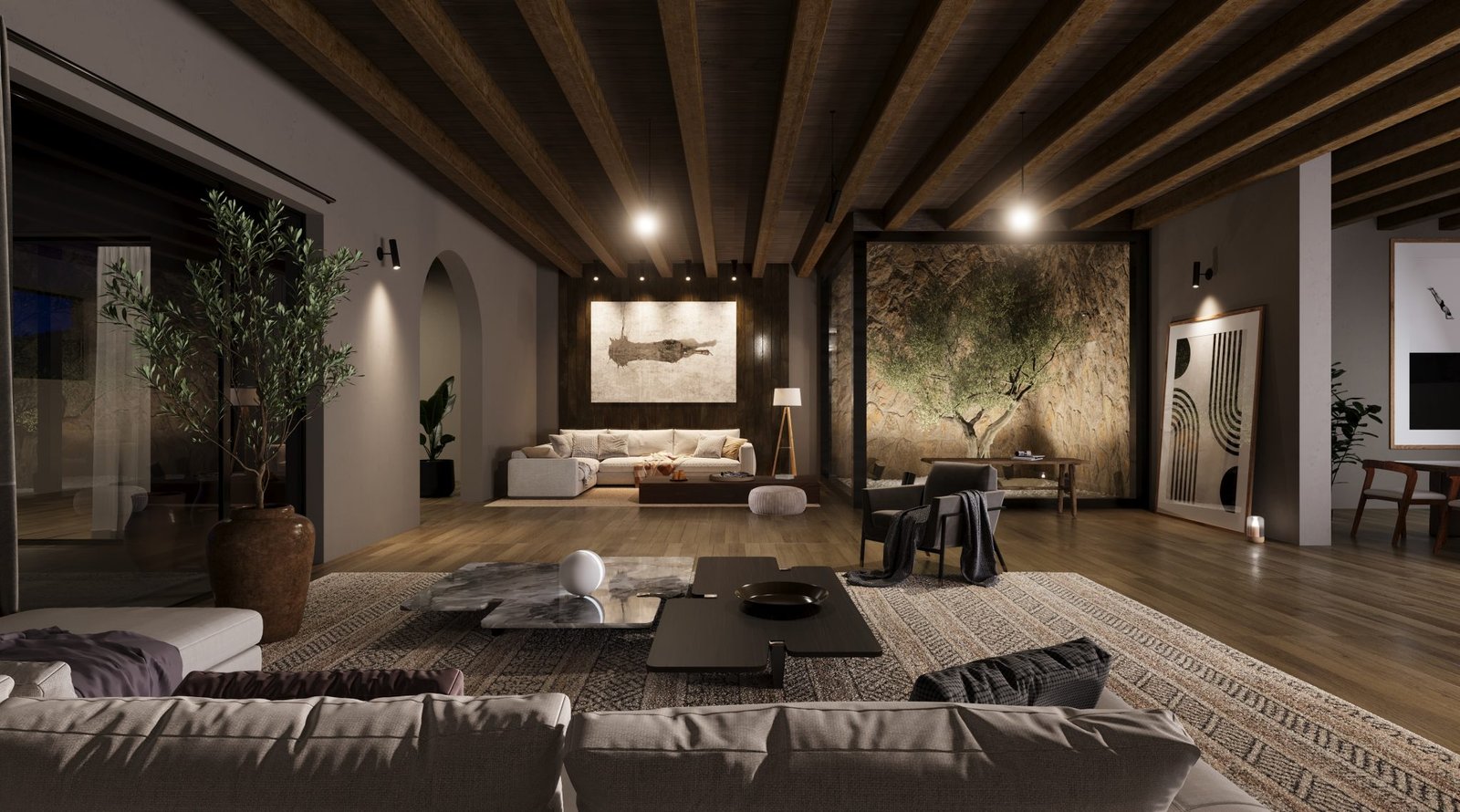
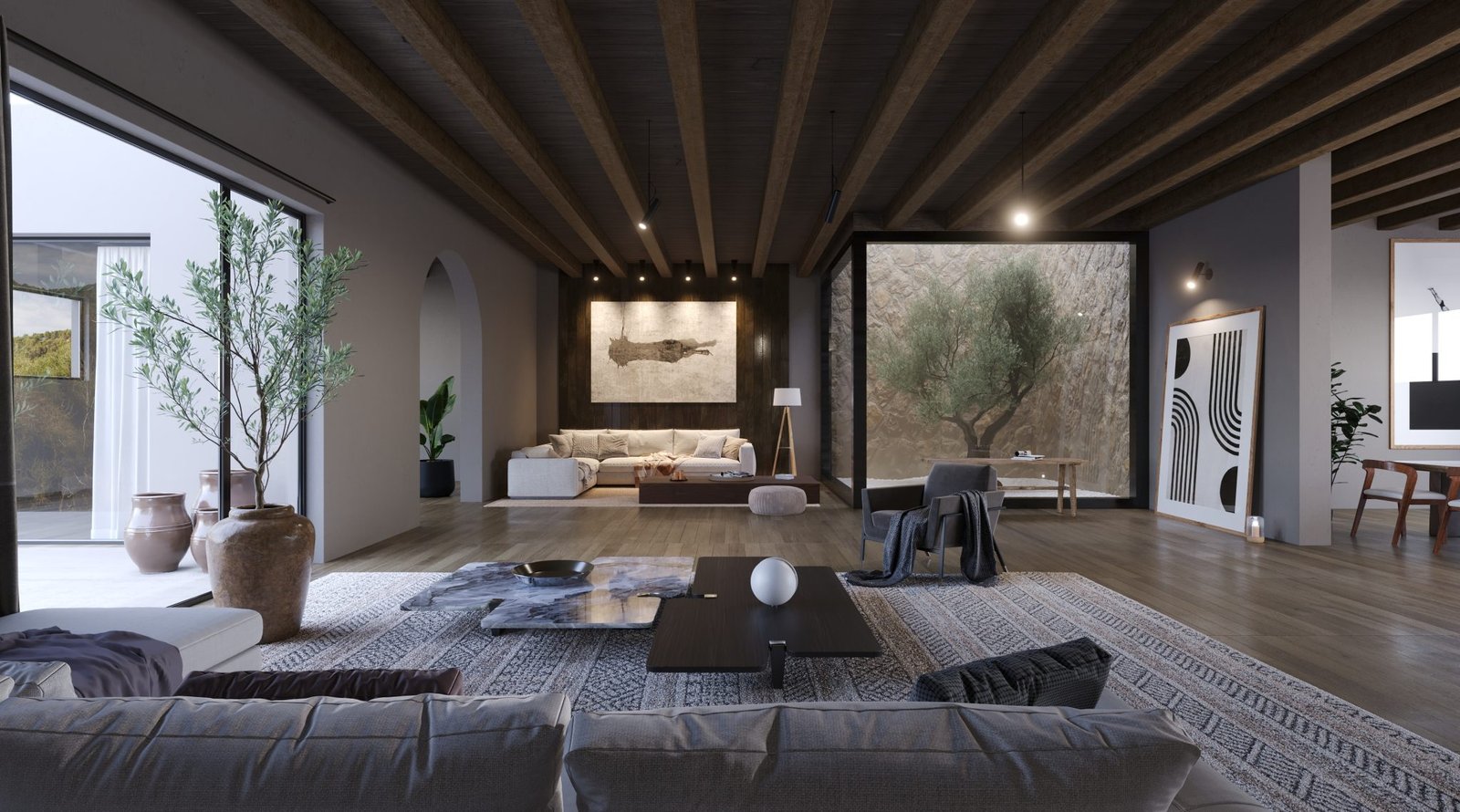
"Light doesn't just reveal — it reinvents.
One image, infinite moods."
Each frame captures the same subject, yet the story shifts with every change in illumination. Light becomes the artist, painting emotion, depth, and meaning onto a constant canvas. What you see isn’t just the image — it’s the feeling it evokes.
3D Visualization Packages
(Our Core Service)
Essentials Pack
Perfect for architectural studios or developers who already have interior/exterior concepts.
Includes:
High-quality 3D architectural visualizations (interior or exterior)
Up to 3 revisions
Optimized still images for web and print
Best for: Clients who already have finalized designs and need clean, professional 3D renders.
Enhanced Pack
Add design expertise to your project for a more compelling presentation.
Includes everything in the Essentials Pack, plus:
Interior & exterior design support (layouts, materials, finishes, furniture suggestions)
Moodboards & style guidance
Material and lighting optimization to enhance realism
Best for: Clients who want help refining their space visually before rendering.
Sales Booster Pack
Use your renders to create high-impact marketing content.
Includes everything in the Enhanced Pack, plus:
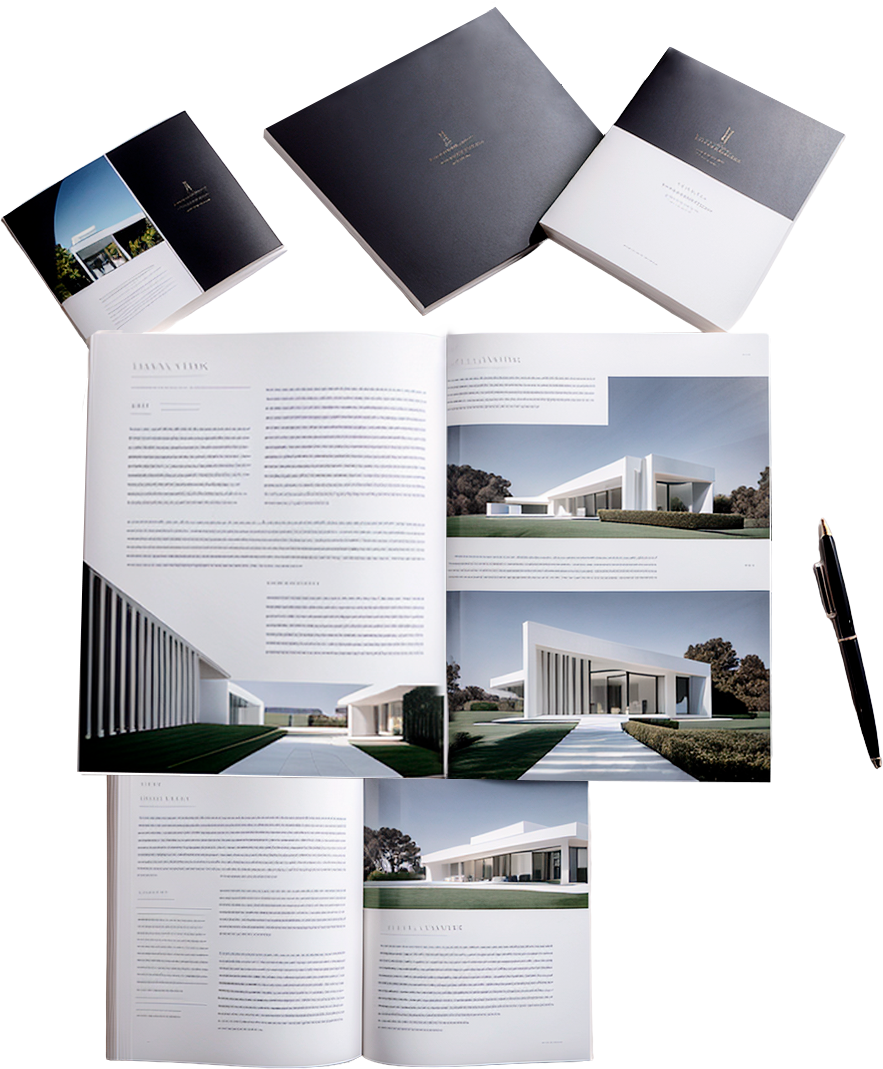
Render-based promotional materials (brochures, flyers, social media posts)
Branded real estate mockups and listing-ready visuals
Copywriting support for headlines and sales text (optional)
Best for: Developers, realtors, or agencies preparing to market or sell a property.
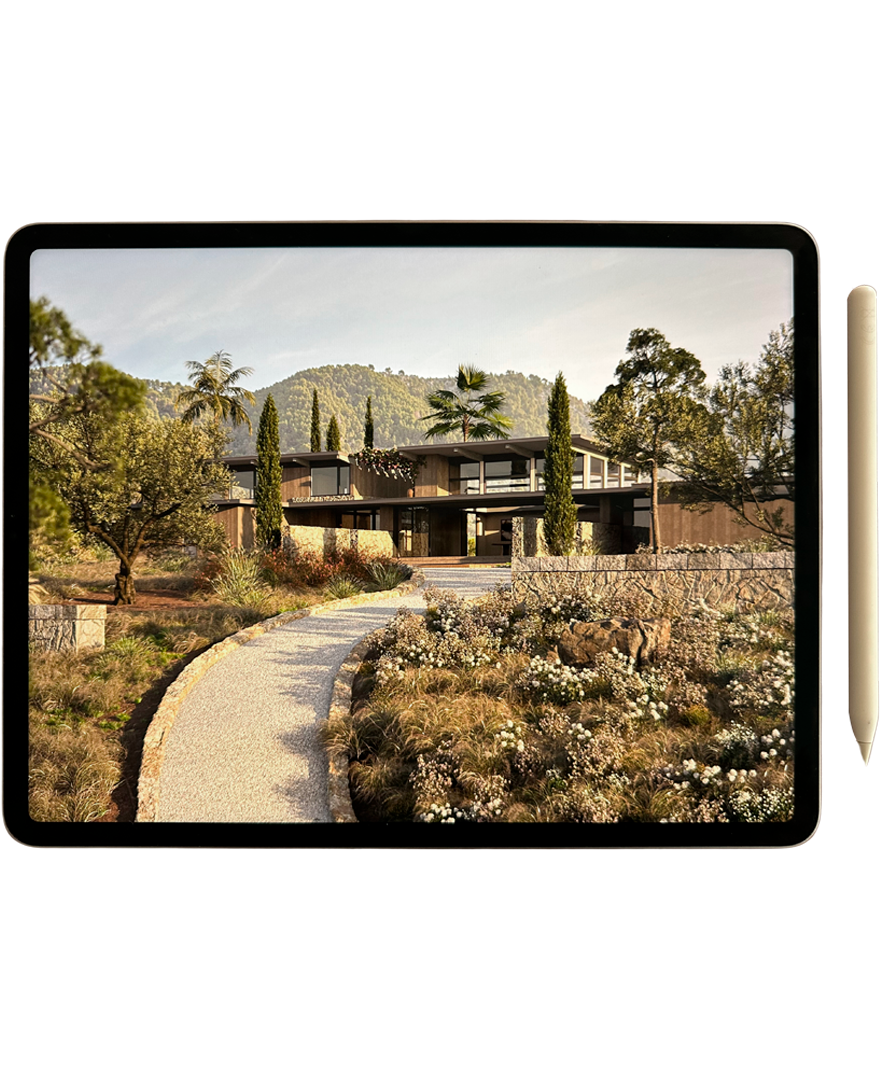
3D Visualization Packages
(Our Core Service)
Essentials Pack
Perfect for architectural studios or developers who already have interior/exterior concepts.
Includes:
High-quality 3D architectural visualizations (interior or exterior)
Up to 3 revisions
Optimized still images for web and print
Best for: Clients who already have finalized designs and need clean, professional 3D renders.
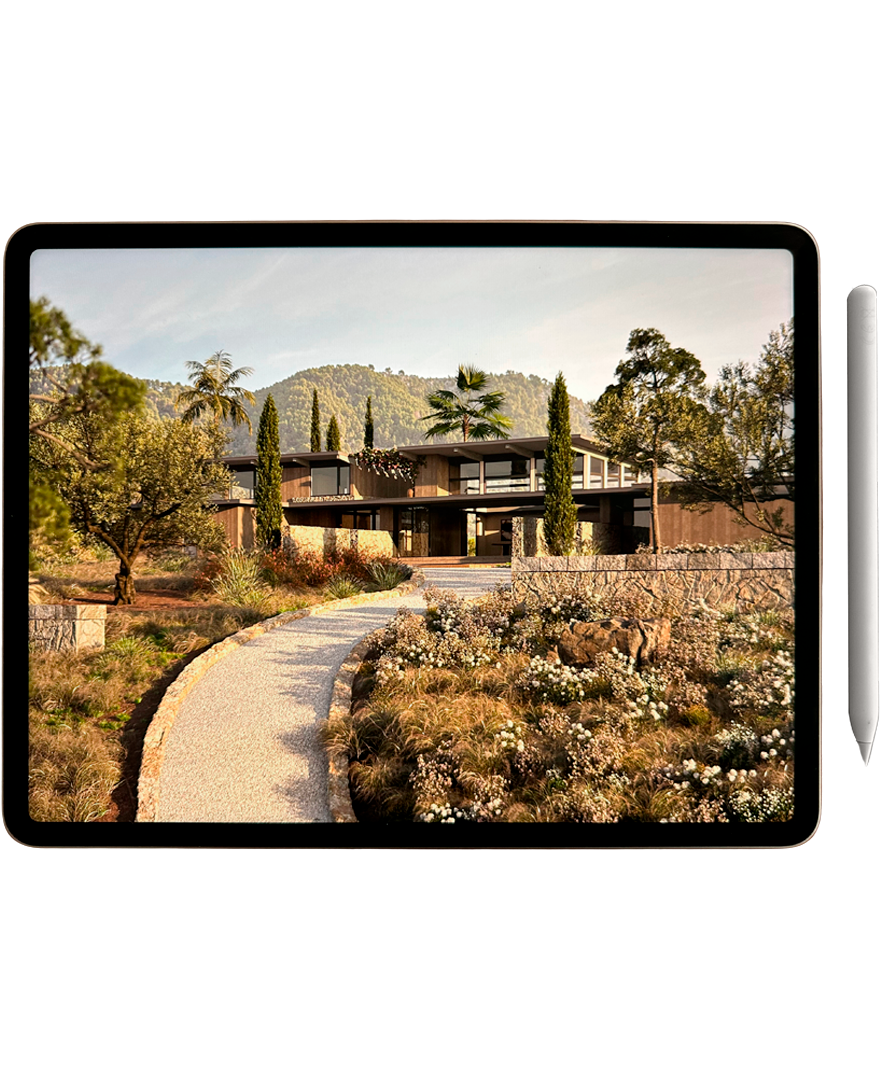
Enhanced Pack
Add design expertise to your project for a more compelling presentation.
Includes everything in the Essentials Pack, plus:
Interior & exterior design support (layouts, materials, finishes, furniture suggestions)
Moodboards & style guidance
Material and lighting optimization to enhance realism
Best for: Clients who want help refining their space visually before rendering.
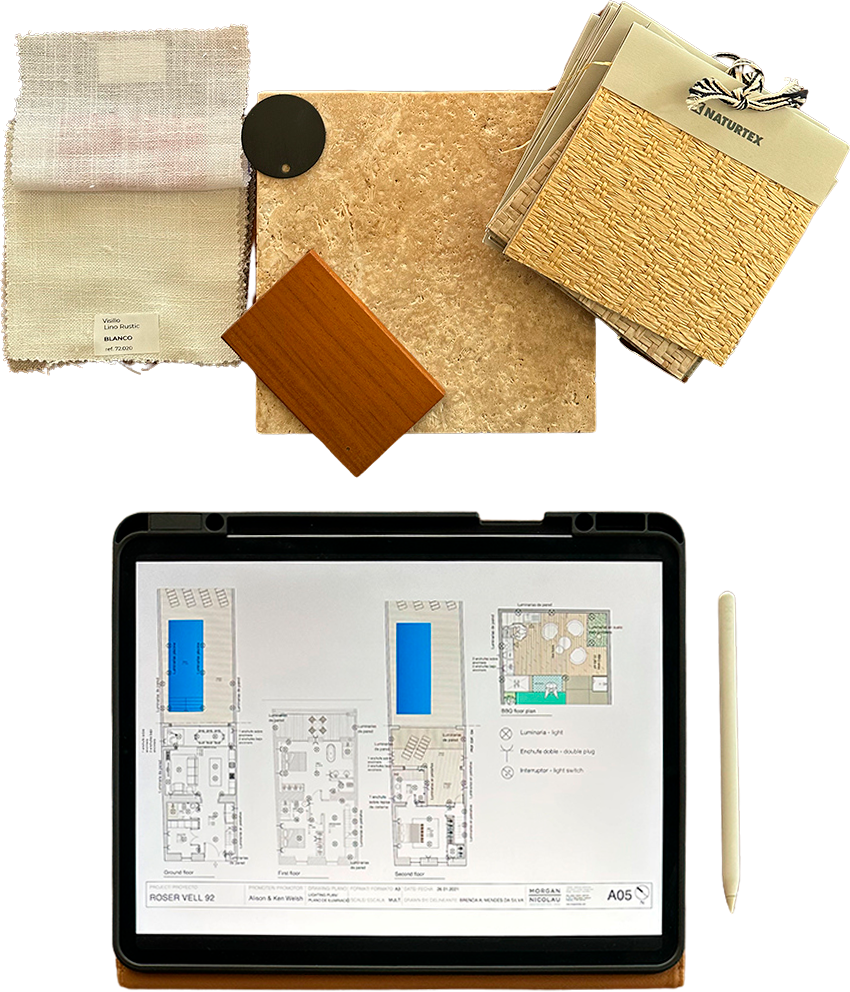
Sales Booster Pack
Use your renders to create high-impact marketing content.
Includes everything in the Enhanced Pack, plus:
Render-based promotional materials (brochures, flyers, social media posts)
Branded real estate mockups and listing-ready visuals
Copywriting support for headlines and sales text (optional)
Best for: Developers, realtors, or agencies preparing to market or sell a property.
Your architectural dream starts taking shape here.


FAQ
What types of projects can be visualized in 3D?
We can work on all types of architectural projects: housing, commercial developments, urban planning and public spaces. If you have an idea, we can visualize it.
What file format should I submit?
We accept 2D plans, sketches, reference images or any document that facilitates the communication of your idea.
Is it possible to make visualizations of fictional environments?
Yes, we can also create imaginary or conceptual sets that are not based on real locations, adapting to any creative vision you have.
How many revisions can I request?
The number of revisions will depend on the scope of the project, but our goal is to ensure that you are completely satisfied with the final result.
Can I use visualizations for presentations or advertising campaigns?
Of course. Our visualizations are optimized for any use, whether professional presentation, print or digital media.